

I went out for some target work about 6 weeks ago. Shot poorly with a couple 9mm pistols. No practice in a long time. I got out my favorite, a 357, 4" Ruger. I've had this revolver about 10 years. My first pistol. My favorite pistol. I always shoot the best with it.
First round, I got the dreaded squib. I immediately emptied the cylinder. One case came out with no bullet. But plenty of unburnt powder. The bullet was lodged in the barrel, just past the forcing cone.
I took it home. Decided a comprehensive tear down and deep clean were in order. After a total tear down, including cylinder, the first time for that. I drove the bullet back out. I proceeded to clean everything. Reassembly was not easy. It's been a long time. But, I got it together.
I found the cylinder did not fit correctly. It locks up, but does not rotate freely. Using the trigger to advance the rotation, it bound after 3 chambers.
I took it in to my LGS. An experienced man, he could not determine what was going on. He suggested sending it in for warranty repair. DOH! I didn't even think of that.
So, will be contacting Ruger to see how that works. Wish me luck.
By the way, my Henry just keeps choogling along.
Happy New Year All!
My Ruger SP 101
My Ruger SP 101
Remember, it's not how many guns you have. It's how many bullets you have.


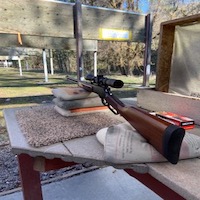
Re: My Ruger SP 101
Please keep us posted on the progress with Ruger’s warranty. I hear they are great like Henry. I have an SP101 and will keep a sharp eye on it for issues. Bought it used and so far it has been fine.
Re: My Ruger SP 101
Will do.
Remember, it's not how many guns you have. It's how many bullets you have.
Re: My Ruger SP 101
Take a good look at that ammo too. Was it factory or a reload?
A "no-powder" reload will usually push the bullet forward enough to jam in the forcing cone, locking up the cylinder. An undercharge may push it past that, into the barrel, but there wouldn't be any powder left, the undercharge would all burn. Having there be unburned powder left, even after the primer popped and there was enough pressure to move the bullet, makes me wonder about that powder.
If it was a reload, is there a chance there was moisture in the brass when it was reloaded?
A "no-powder" reload will usually push the bullet forward enough to jam in the forcing cone, locking up the cylinder. An undercharge may push it past that, into the barrel, but there wouldn't be any powder left, the undercharge would all burn. Having there be unburned powder left, even after the primer popped and there was enough pressure to move the bullet, makes me wonder about that powder.
If it was a reload, is there a chance there was moisture in the brass when it was reloaded?